
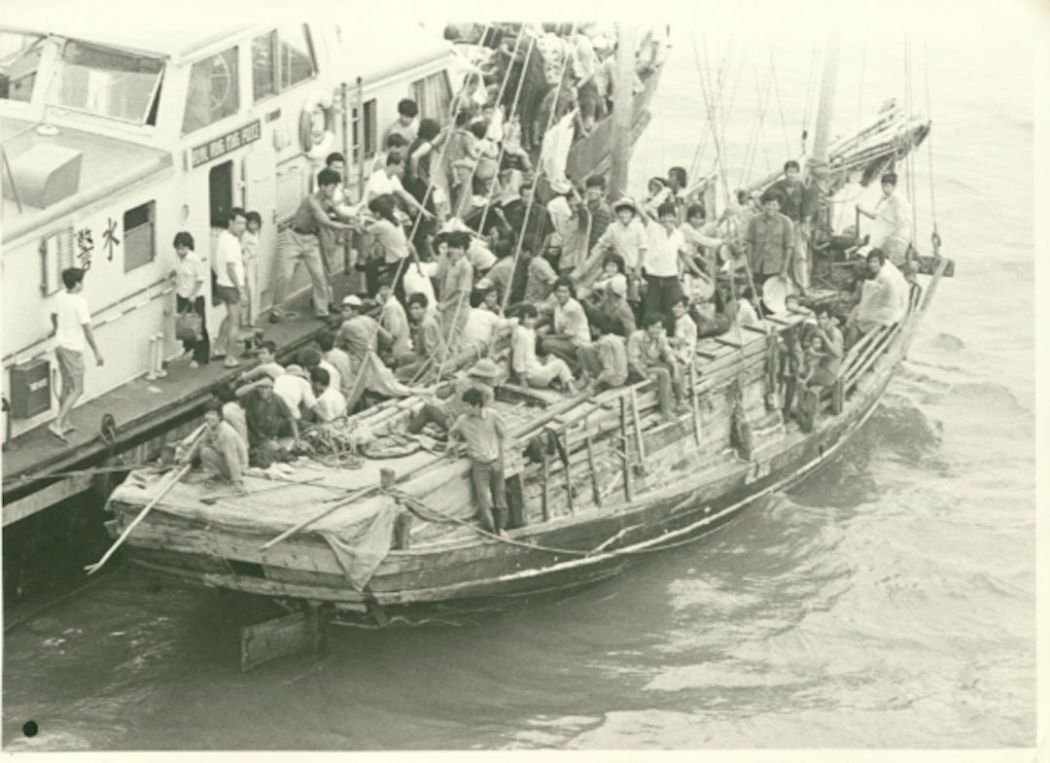
The history of the Phạm clan in America is a story of courage, sacrifice, survival, and renewal. Across several generations, our family was forced to leave behind homes, property, and familiar ways of life—not once, but twice. Each departure brought hardship and uncertainty, yet each also opened a new chapter in our family’s journey.
Before 1954, our ancestors lived in Northern Vietnam. Many members of the Phạm clan were landowners whose livelihood came from agriculture. They leased their land to local farmers and participated in the farming economy that sustained the surrounding communities. Some family members also worked for the French administration during the colonial period.
Life was closely connected to the land, the village, and the extended family. Homes and property represented more than material wealth; they embodied generations of work, family relationships, and ancestral heritage. Few could have imagined that political events would soon force hundreds of our relatives to abandon nearly everything they had known.
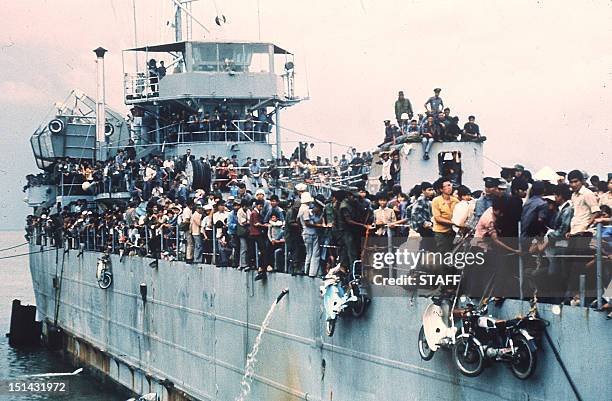
In July 1954, the Geneva Accords temporarily divided Vietnam near the 17th parallel. The North came under communist control, while the South developed under an anti-communist government. Ngô Đình Diệm became prime minister in 1954 and later president of the Republic of Vietnam.
The agreement provided a limited period—approximately 300 days—for Vietnamese citizens to relocate between the two regions. Families faced an extraordinary decision: remain in their ancestral homeland under an unfamiliar political system or leave for the South and begin again.
Most members of our extended family—numbering in the hundreds—chose to move south. They left behind their homes, land, possessions, and much of what earlier generations had built. They carried only what they could manage, along with their faith in one another and their hope for freedom and a better future.
This migration became the first great turning point in the modern history of the Phạm clan.
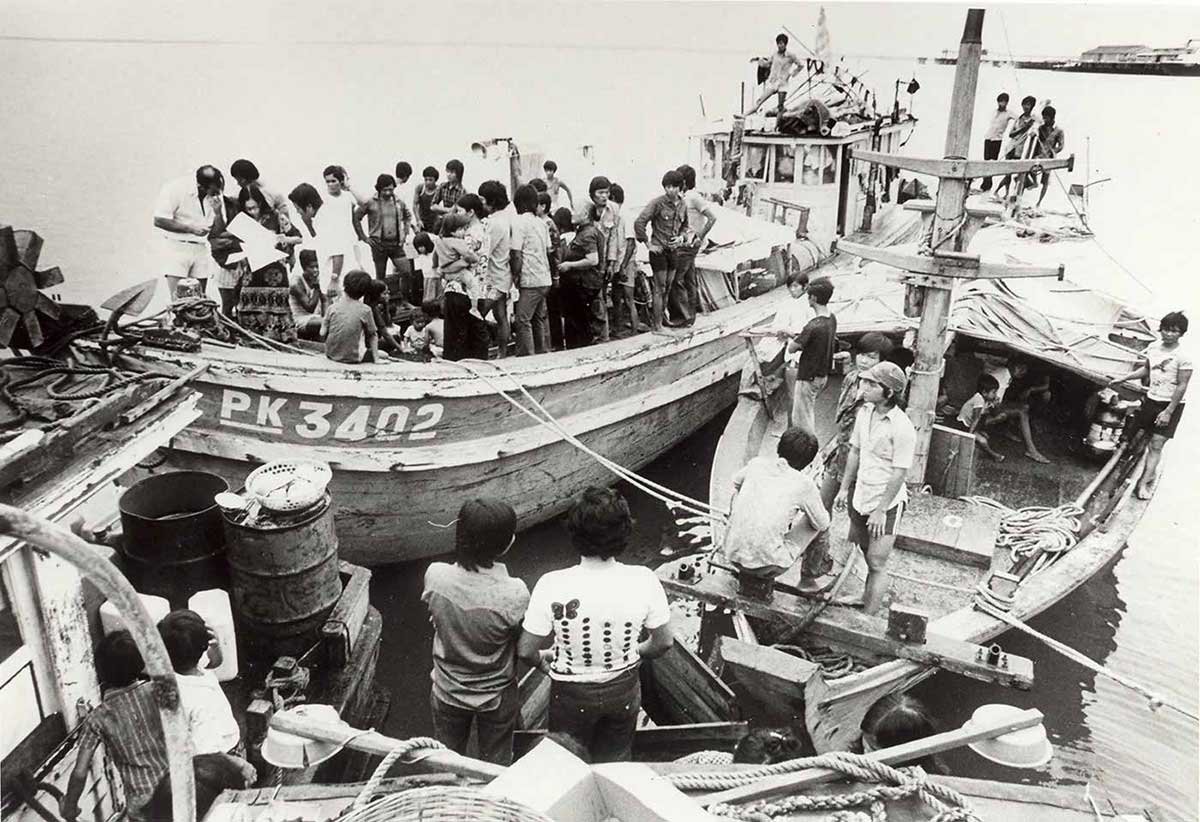
In April 1975, the war ended when North Vietnamese forces captured Saigon and took control of South Vietnam. Once again, the lives of our family members changed suddenly and profoundly.
Those who had served in the South Vietnamese military or worked with the former government were detained and sent to so-called reeducation camps, where many endured forced labor, hunger, illness, and long separation from their families.
Outside the camps, daily life also became increasingly difficult. Homes, businesses, and other assets were confiscated or placed under government control. Educational and employment opportunities were restricted, especially for children whose parents had been associated with the former South Vietnamese government.
Our family had already abandoned its homeland and possessions in the North in 1954. Now, after rebuilding for more than twenty years in the South, many members lost their security and freedom for a second time.
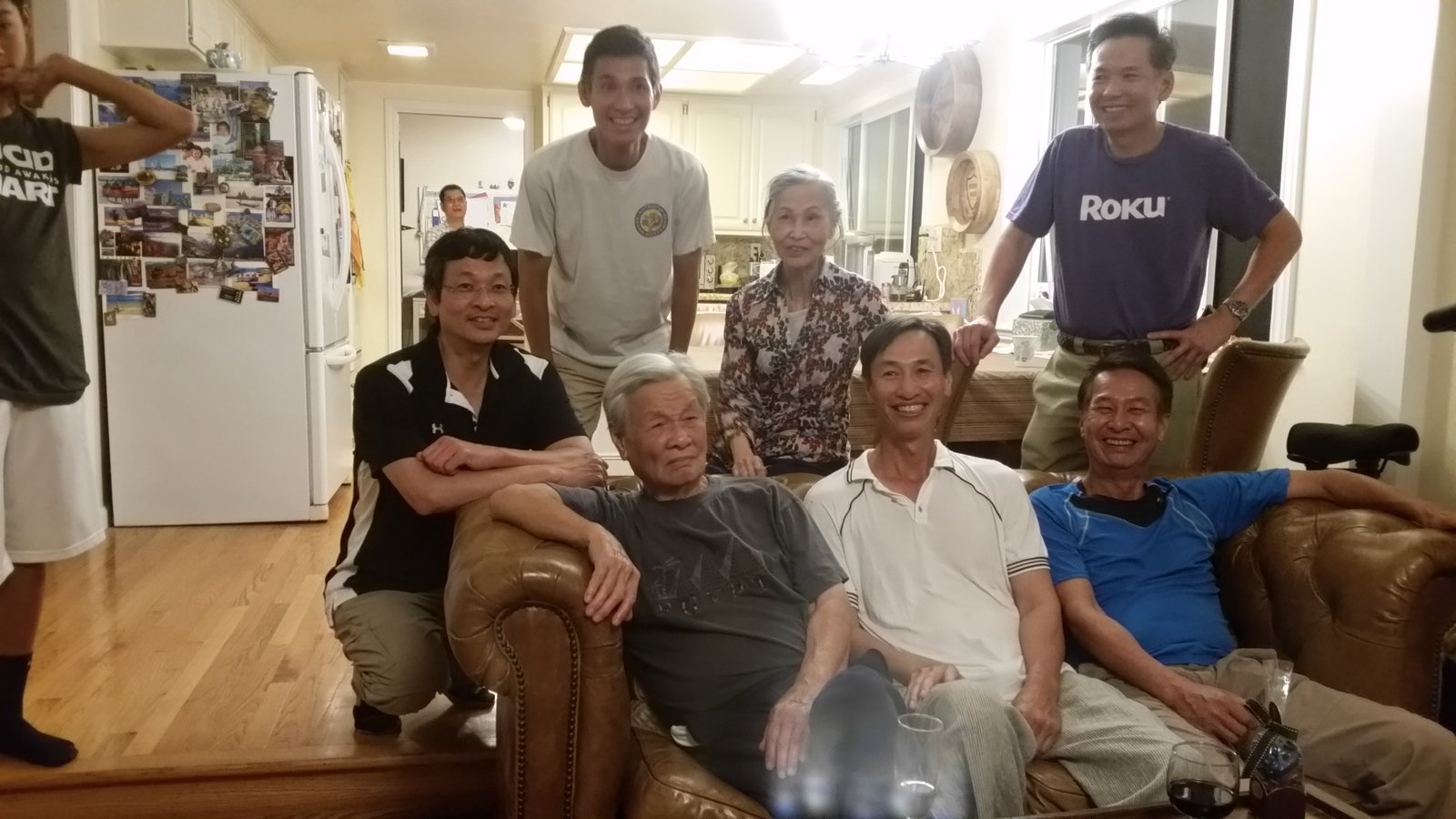
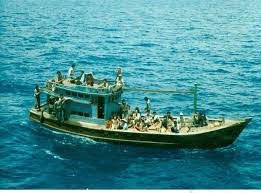
Unable to accept a future under such harsh conditions, several close family members secretly planned an escape. The decision was dangerous. Leaving Vietnam without permission could lead to imprisonment, and escaping by sea carried the risks of storms, hunger, mechanical failure, piracy, and death.
In January 1977, thirty-six members of our family boarded a small boat and escaped from Vietnam. They left without knowing whether they would reach safety or survive the journey.
The boat eventually reached Malaysia, where the family entered a refugee camp. For nine months, they lived in uncertainty, waiting and hoping that another country would accept them. Although they were finally free from persecution, they still had no permanent home and no assurance about what the future would bring.
Their opportunity came through the generosity of a church in Colorado, which agreed to sponsor the family’s resettlement in the United States.
The original thirty-six arrived in America as refugees—not with wealth or privilege, but with gratitude, determination, and hope.
Life in the United States was another difficult beginning. The family had limited money, faced a major language barrier, and knew little about American culture. Professional experience and qualifications from Vietnam did not always transfer easily to the new country.
They accepted whatever honest work they could find. They worked long hours, learned English, adapted to unfamiliar customs, and raised their children in a society very different from the one they had left behind.
Progress came slowly. There were moments of loneliness, homesickness, discrimination, and financial hardship. Yet the family remained united by the same qualities that had carried it through two migrations: resilience, hard work, family loyalty, and the willingness to sacrifice for the next generation.
Year by year, life improved. Families purchased homes, established businesses, supported their children’s education, and became contributing members of their communities. What began as a struggle for survival gradually became a story of stability and achievement.
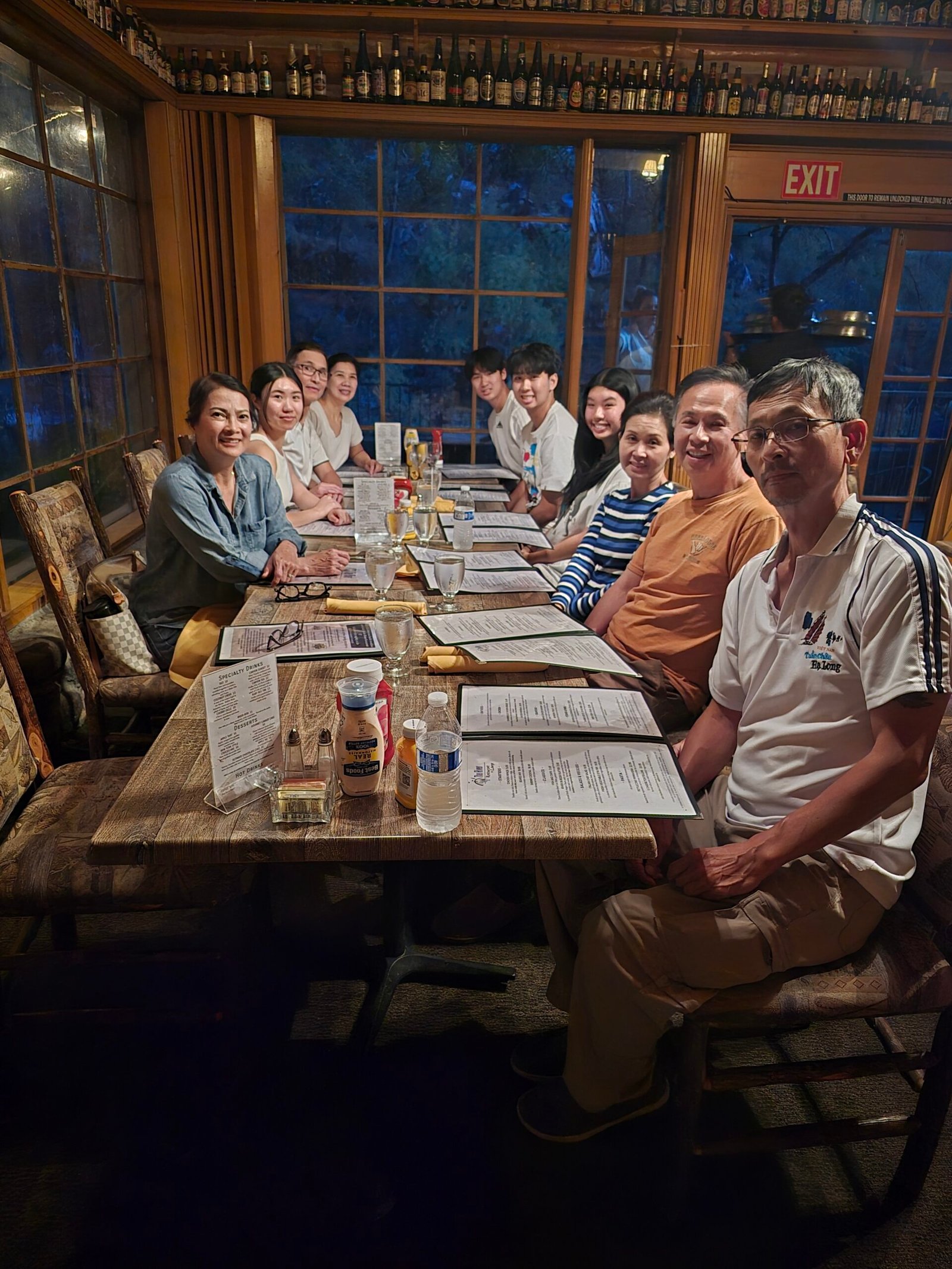
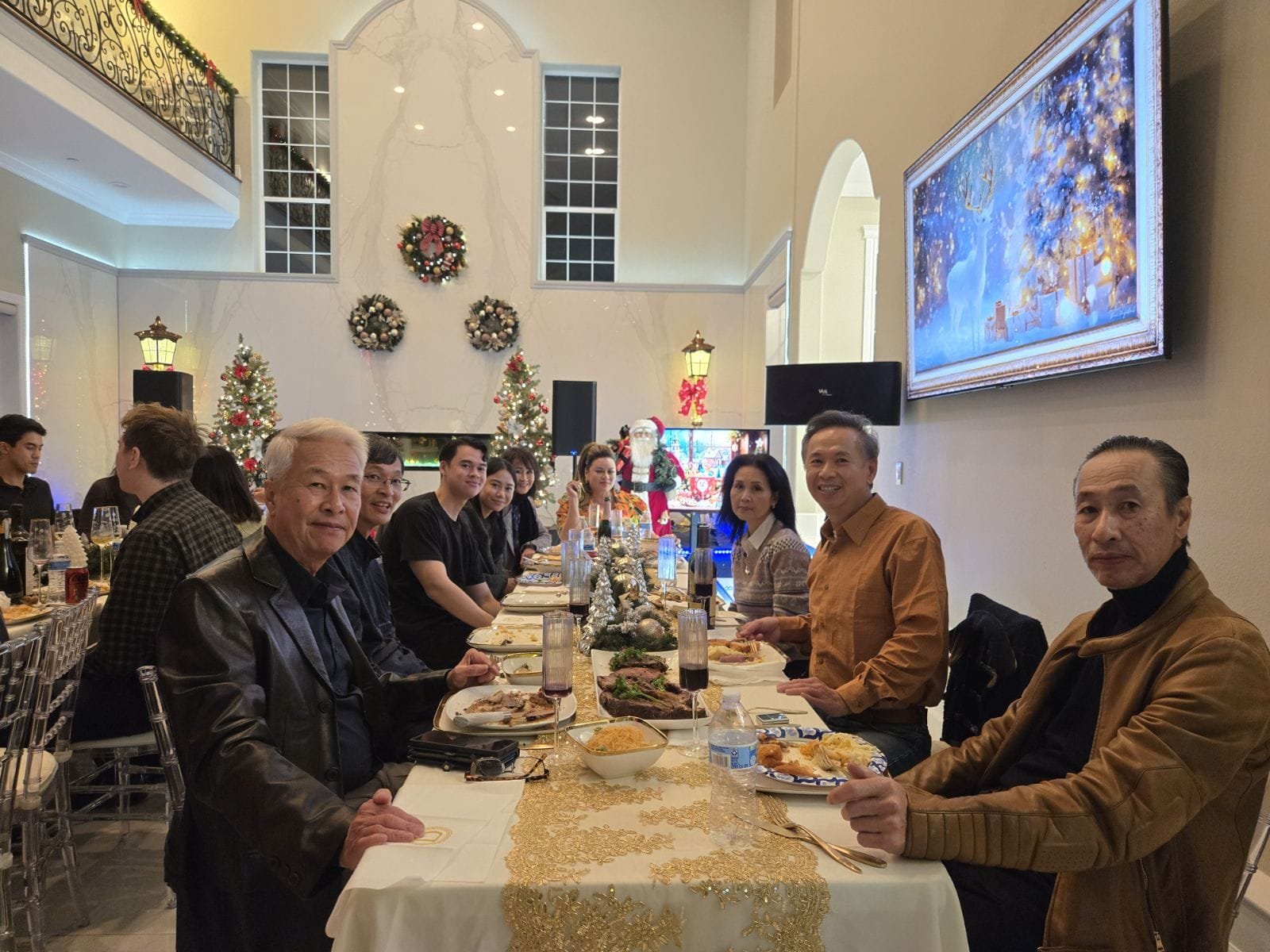
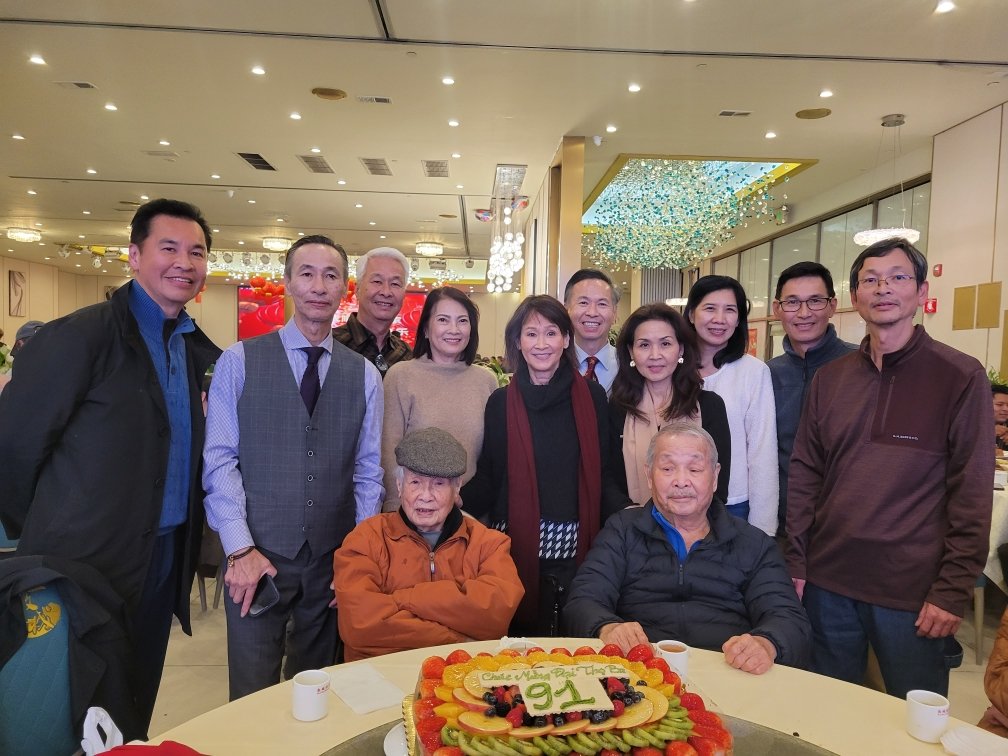
Today, the Phạm clan in America has grown from the original thirty-six refugees to several hundred family members.
Many members of the older generation—the generation that experienced Northern Vietnam, the 1954 migration, the fall of South Vietnam, the refugee boat, and the difficult first years in America—have passed away. Their absence is deeply felt, but their courage continues to live through their descendants.
New generations have grown up with opportunities their parents and grandparents could only imagine. Members of the family have become business owners, engineers, doctors, lawyers, professionals, and community leaders. They contribute to the country that welcomed their families while continuing to honor their Vietnamese heritage.
The success of later generations did not begin with their own accomplishments. It began with the sacrifices of those who left Northern Vietnam in 1954, those who endured the upheaval of 1975, and the thirty-six family members who risked everything for freedom in January 1977.
Starting over in South Vietnam was not easy. The family members who had once possessed land and established livelihoods in the North now had to rebuild their lives with limited resources. Many struggled to earn enough money, find housing, and raise their children.
Despite the war that increasingly affected the country, the years from 1954 to 1975 allowed our family to rebuild a measure of stability. Children attended school, adults established new occupations, and families created homes and communities once again.
They did not regain everything they had lost, but they rebuilt their lives through perseverance, discipline, and mutual support. For many family members, these years became a relatively stable period within an otherwise turbulent era.
Lorem Ipsum has been the industry’s standard dummy text ever since 1966, when at Letrasetand James
Mosley, the librarian atSt Bride Printing Library in London, Cicero translation and scrambled it to make
dummy text for Letraset’s Body Type sheets.
it to make dummy text for Letraset’s Body Type sheets.
it to make dummy text for Letraset’s Body Type sheets.
it to make dummy text for Letraset’s Body Type sheets.
it to make dummy text for Letraset’s Body Type sheets.
Copyright 2026 Phamclan. All right reserved